
Protein Goals and Albumin: Why They Matter for People on Dialysis
For people on dialysis, protein isn’t just another nutrient. Dialysis removes waste that your kidneys can’t remove, and unfortunately, it removes some protein as well. It’s important to understand how much protein you need and how albumin levels tell us about your nutritional health.
What Is Albumin & Why Is It Important
- Albumin is a protein made by your liver, and it plays several vital roles: helping carry nutrients and hormones, keeping fluid in your blood vessels (which is important for how dialysis removes fluid), helping fight infections, and supporting repair and recovery.
- Your albumin level is a lab value your dialysis team checks regularly (often monthly). It gives a snapshot of your nutritional health and is used as a marker for risk: lower albumin is associated with higher chances of hospitalizations, infections, and mortality.
- Generally, for dialysis patients, the goal serum albumin level is about 4.0 g/dL or higher. Keeping albumin at that level is linked with better outcomes.
How Much Protein Do Dialysis Patients Need?
Because protein is lost during dialysis and because your body may be working harder (due to illness, inflammation, etc.), your protein needs are higher than people with healthy kidneys. Here are some guideline figures:
| Dialysis Modality | Suggested Dietary Protein Intake* |
|---|---|
| Hemodialysis (in-center) | ~ 1.0 – 1.2 grams / kilogram of body weight/day |
| Peritoneal Dialysis | ~ 1.2 – 1.3 g/kg/day due to ongoing protein loss through the peritoneal membrane. |
*These are general guideline ranges. Your personal needs depend on your labs (especially albumin), your residual kidney function, your level of inflammation or illness, your energy intake, and your overall lean body mass. Always work with your dietitian/medical team to set your own goal.
Why Protein Goals & Albumin Are Tricky with Dialysis
Several factors can make it hard to reach protein/albumin goals, even when you try:
- Protein losses during dialysis, especially peritoneal dialysis: peritoneal dialysis can leak protein out in the dialysate; hemodialysis removes protein too.
- Inflammation, infections, or other illness: these increase protein breakdown and reduce albumin.
- Poor appetite or dietary intake: nausea, diet restrictions, feeling poorly, or just not being hungry can reduce how much protein you eat.
- Energy (calories) too low: If you’re not getting enough calories, your body may burn protein for energy instead of using it to build and repair. This worsens loss of muscle and low albumin.
- Other losses or medical conditions: fluid overload, bleeding, poor digestion/absorption, liver disease, etc., can impact albumin.
How to Raise or Maintain Good Albumin and Meet Protein Goals
Here are practical, patient-centered strategies:
- Work closely with a renal dietitian
- Get an individualized protein target based on weight, labs, dialysis type, energy needs, medical conditions.
- Adjust protein intake if your albumin is low, or during periods of stress (illness, hospitalization).
- Evaluate your fluid gains between treatments and ensure they are within an acceptable range that you aren’t experiencing symptoms of fluid overload.
- Eat high-quality protein at each meal
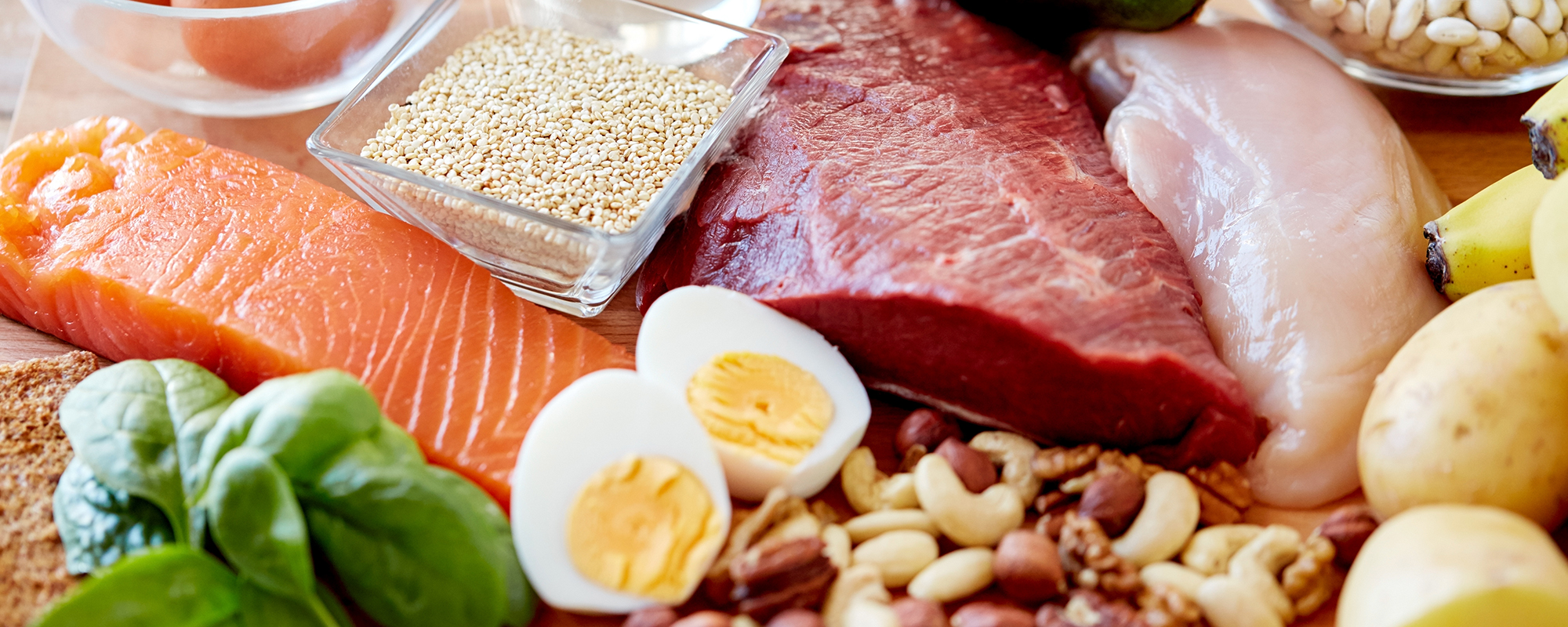
- Animal sources (meats, poultry, fish, eggs, dairy) usually provide complete “essential amino acids.”
- Include plant protein sources too, where feasible (beans, legumes, nuts), balanced with phosphorus and potassium control if needed.
- Consider protein intake timing
- Some patients benefit from consuming a protein-rich snack after dialysis or spacing protein evenly across meals.
- If appetite is better at certain times, try to take advantage of that.
- Ensure enough calories (energy)
- Calories from carbohydrates and fats spare protein for its repair/building functions rather than being used for energy.
- Inadequate calories → muscle breakdown.
- Treat underlying issues
- Manage or prevent infections, inflammation, dental problems, etc. These often drag down albumin.
- Make sure dialysis is adequate (you’re getting the dose you need), because poor dialysis leads to more inflammation and nutritional losses.
- Monitor labs regularly
- Albumin levels monthly or per your center’s protocol.
- Also watch other markers: weight changes, body composition, nitrogen appearance (if used), etc.
What Qsource ESRD Networks Offers and How We Support You
Here’s how Qsource helps patients with protein and albumin goals:
- Provide educational materials: handouts, posters, and bulletin board kits.
- Help ensure dialysis facilities connect you with a renal dietitian who understands both your nutritional needs and your dialysis type.
- Assist in routine monitoring: supporting facility staff to check monthly albumin plus weight and other nutrition markers, and to flag when levels are dropping.
What to Discuss with Your Health Team
Here are questions you may find helpful to ask your nephrologist, dietitian, or nurse:
- What is my current serum albumin level? Is it in the target range (≥ 4.0 g/dL)? If it’s low, what might be causing that?
- Given my dialysis type, weight, and medical condition, how much protein should I aim for each day? How should I divide it among meals/snacks?
- Are there protein supplements that are safe/recommended for me?
- How does my fluid or phosphorus restrictions affect my ability to eat protein?
- What about my calorie intake, is it enough to support using protein for repair rather than energy?
- Can we check my nutritional status (weight trends, muscle strength, etc.) regularly?
Protein and albumin are central to good outcomes in dialysis. They’re not just “labs”, they reflect how well your body is able to heal, stay strong, resist infection, and maintain well-being. It often takes consistent effort: good food choices, adequate calorie intake, treating illness, and regular monitoring. But many patients who work on these areas see improvements in energy, fewer complications, and have an overall better quality of life.
 Download: Knowing the Importance of Your Labs