
Potassium and Your ESRD: What You Need to Know
When you have ESRD (end-stage renal disease), managing potassium becomes especially important. Your kidneys aren’t able to remove potassium from your blood as well as they used to, and that can lead to changes in heart rhythm, muscle weakness, or more serious complications. But with care, good diet planning, and help from your health team, you can keep your potassium in a safe range while still enjoying food.
What Is Potassium and Why Does It Matter
- Potassium is a mineral that your body needs for muscle function (including the heart), nerve signals, fluid balance, and more.
- In healthy kidneys, excess potassium is filtered out in the urine. With ESRD, that filtering doesn’t work as well. Potassium can build up between dialysis sessions.
- High potassium (hyperkalemia) can cause symptoms like weakness, abnormal heart beats, numbness or tingling. Serious cases can be life-threatening.
- Low potassium (hypokalemia) is less common in ESRD, but possible in certain situations. It can cause muscle cramps, irregular heartbeat, fatigue.
What Do Medical Guidelines Recommend
- There isn’t a one-size-fits-all number for potassium intake in ESRD; it depends on your lab results, your dialysis schedule, how well your residual kidney function (if any) works, your medications, other health problems, what your dietitian advises.
- Many guidelines suggest that patients with advanced kidney disease (pre-dialysis, eGFR very low) or those on dialysis aim for dietary potassium intakes of about 2,000 to 3,000 mg per day (2.0-3.0 g/day), especially if labs show high potassium levels (hyperkalemia).
- The 2017 Clinical Practice Guideline for Nutrition in CKD from KDOQI (NKF) emphasizes individualization of potassium targets, lowering potassium intake when hyperkalemia is present, but also balancing dietary quality and nutritional needs.
What Foods Have High vs Lower Potassium
You don’t always have to avoid all high‐potassium foods; sometimes it’s more about how much and how they’re prepared.
Here are some examples:
| High Potassium Foods (limit or use with caution) | Lower Potassium Choices / Ways to Reduce Potassium |
|---|---|
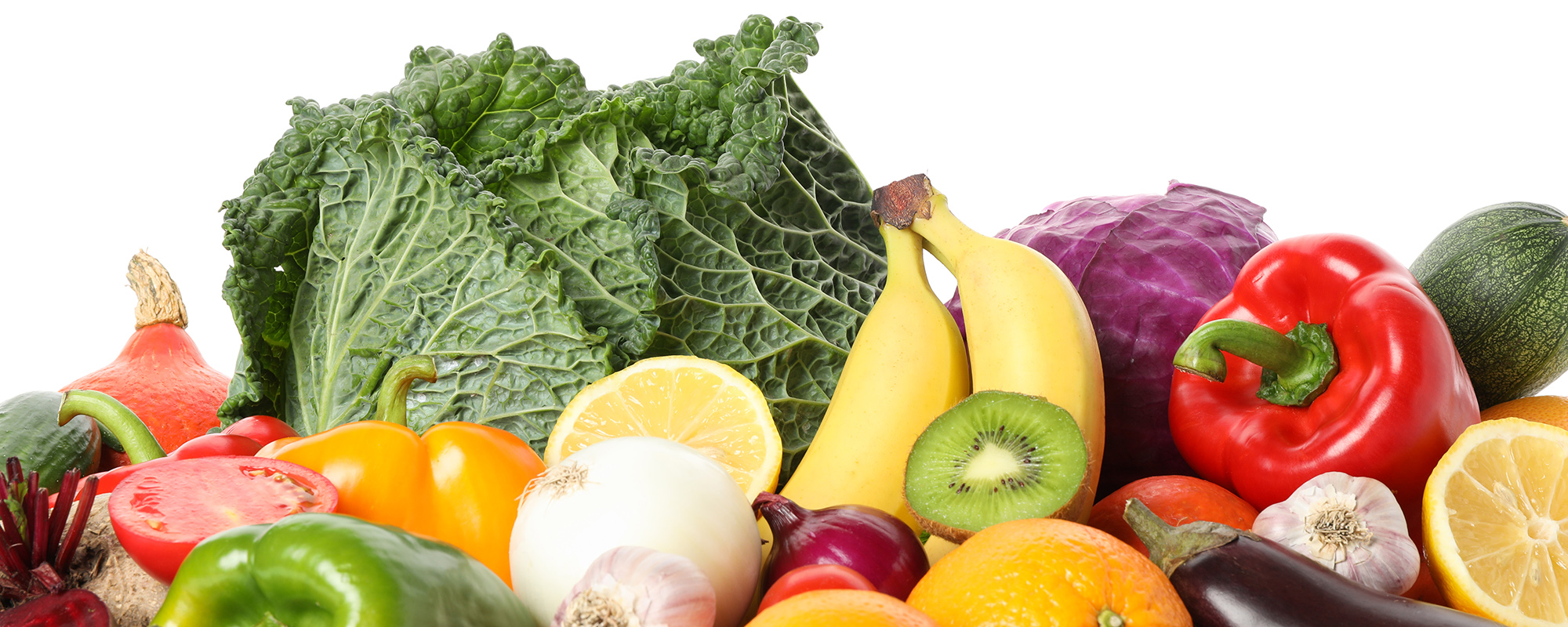
| Bananas, oranges, melons (cantaloupe, honeydew) | Apples, berries, grapes, peaches, pineapple, plums |
| Potatoes, sweet potatoes, tomatoes, winter squash | Green beans, summer squash, bell peppers, onions |
| Avocado, dried fruits, beans/legumes | Rinsing canned vegetables, draining the liquid from |
Also, some preparation techniques help lower potassium in certain foods (for instance, “leaching” potatoes or double-boiling, soaking and draining vegetables).
How Potassium Is Managed with Dialysis
- Dialysis removes potassium from your blood. However, potassium levels can rise between sessions. That means what you eat between treatments matters.
- The strength of your dialysate (the special fluid used during dialysis to help clean your blood) and the frequency/duration of treatment affect how much potassium is removed. Your care team adjusts these.
- Medications, acid base balance (e.g. if you have acidosis), residual kidney function, and even other health conditions influence your potassium levels. That’s why labs are checked regularly.
What You Can Do: Practical Tips
Here are patient‐centered actions to help you keep potassium in your safe range:
- Work closely with your dietitian. Get a personalized plan based on your most recent labs (especially serum potassium), your dialysis schedule, medications, and what foods you like.
- Monitor your blood potassium levels. Don’t wait for symptoms, hyperkalemia can build up gradually and silently.
- Be mindful of portion sizes. Even a small serving of a high-potassium food can push you over, especially if you also eat other sources of potassium in a day.
- Learn smart food prep. Techniques like peeling, soaking, boiling and discarding the water can help reduce potassium in vegetables. Drain and rinse canned items. Avoid salt substitutes that use potassium in place of sodium.
- Be aware of “hidden” potassium. Processed foods may have potassium additives (e.g. potassium chloride). Some medicines or supplements may increase potassium. Always ask your provider.
- Balance variety with safety. Many high‐potassium foods are nutrient-rich. If you must limit them, try including lower-potassium alternatives so you still get enough vitamins, fiber, and enjoyment of food.
- Don’t skip or shorten dialysis treatments. That is one of the strongest ways to have potassium levels go up dangerously.
What Qsource ESRD Networks Offers and How We Can Help
At Qsource, we believe that diet is part of your care plan, not just a set of rules. Here are ways we support you in managing potassium:
- We help dialysis facilities ensure that patients have access to renal dietitians who understand ESRD and potassium management.
- We provide patient education materials (food guides, tip sheets) so you can see concrete examples of lower-potassium vs higher-potassium foods, ways to prepare foods, portion sizes etc.
- We encourage shared decision-making: working with your medical and nutrition team to tailor potassium targets to you, your labs, your treatments, your food preferences.
Things to Discuss with Your Care Team
When you talk with your nephrologist, dietitian, or dialysis nurse, here are useful questions:
- What is my target potassium range based on my most recent labs?
- How does my dialysis schedule affect my potassium levels? Do I have residual kidney function?
- Are there medications I’m taking that can increase potassium? Should anything be adjusted?
- How can I include nutrient-rich foods while keeping potassium under control?
- How should I prepare foods I enjoy to lower their potassium content?
Keeping potassium in check is a balancing act. It’s about managing your health and labs, but also enjoying life and food. With good support, regular monitoring, personalized guidance, and smart choices, many ESRD patients live well, maintain a nutritious and satisfying diet, and keep potassium where it belongs.
 Download: